
Introduction
Many people believe that using Q-tips helps keep ears clean. This idea is known as the Q-tip myth. However, ear cleaning dangers are real. In fact, using Q-tips can cause earwax blockage and harm your ears. Understanding safe ear care is important for everyone. Let’s explore why cleaning your ears at home with Q-tips is risky and what you should do instead.
What Is Earwax?
Earwax, also called cerumen, is a natural substance. It forms inside your ear canal. Although some people think earwax is dirty, it actually protects your ears. For example, earwax traps dust, dirt, and germs. It also keeps your ear canal moist and prevents dryness. In most cases, earwax moves out of the ear on its own. So, your body usually takes care of earwax without any help.
The Q-tip Myth Explained
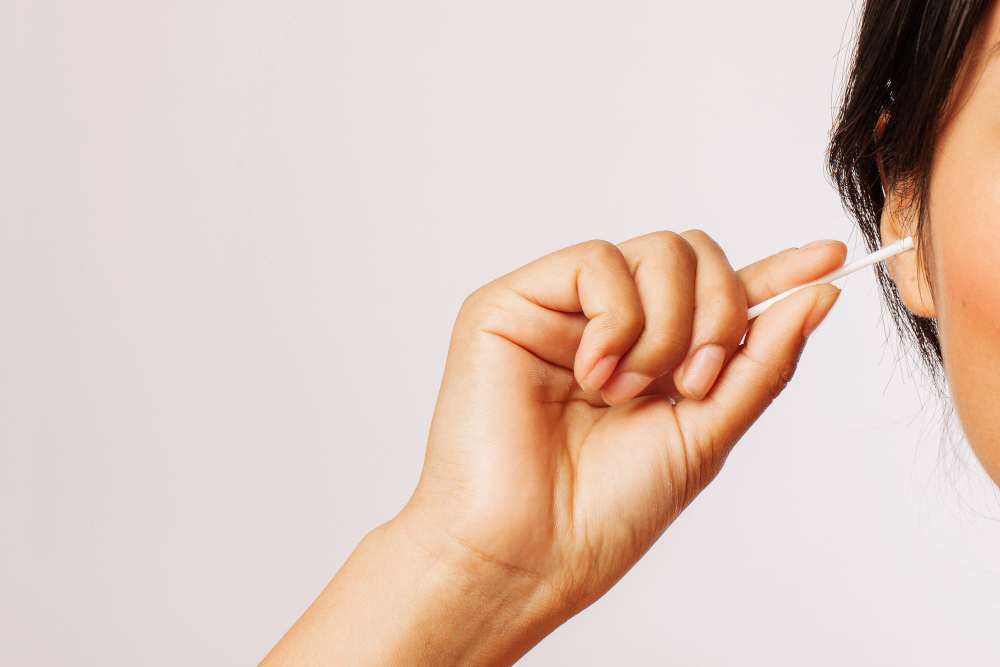
Many people use Q-tips because they want to remove earwax. They believe this keeps their ears clean and healthy. However, this is a common misconception. In reality, Q-tips often push earwax deeper into the ear canal. This can lead to more problems, not fewer. Even though it may feel satisfying, using Q-tips is not safe for your ears.
How Q-tips Cause Deeper Blockages
When you insert a Q-tip into your ear, you may think you are cleaning it. But, you are likely pushing the wax further inside. As a result, earwax can build up and form a blockage. This blockage can press against the eardrum and cause discomfort. In some cases, it can even lead to hearing loss or infection. According to the CDC, using objects like Q-tips can injure the ear canal or eardrum.
Symptoms of Earwax Blockage
Blocked ears can cause several symptoms. Watch for these common signs:
If you notice any of these symptoms, you may have an earwax blockage.
Safe Alternatives for Ear Cleaning
Instead of using Q-tips, try these safe ear care tips:
According to the American Academy of Otolaryngology, most people do not need to clean their ears at all.
When to See an ENT Specialist
Sometimes, earwax problems need medical help. See an ENT specialist if you:
Early treatment can prevent serious problems. Therefore, do not wait if you have these warning signs.
Prevention Tips
To avoid earwax issues, follow these simple tips:
By following these steps, you can keep your ears healthy and avoid blockages.
Conclusion & Call-to-Action
In summary, the Q-tip myth can lead to ear cleaning dangers and deeper blockages. Earwax is natural and usually does not need removal. Instead of using Q-tips, choose safe ear care methods. If you have symptoms of earwax blockage, consult an ENT specialist. Your doctor can give you the best advice for healthy ears.