
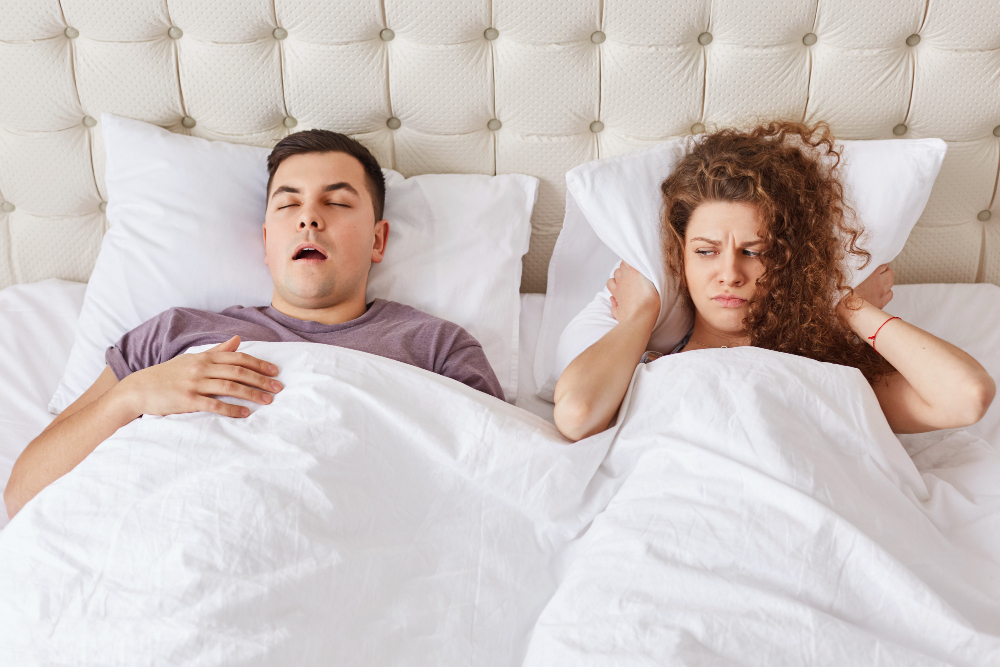
Many people think snoring is just a harmless noise. However, snoring and sleep apnea can signal deeper health problems. Sleep apnea is a condition where breathing stops and starts during sleep. Both snoring and sleep apnea can affect your health and daily life. In this blog, you will learn about the risks of sleep apnea, treatment for snoring, and how to stop snoring for better sleep.
What Are Snoring and Sleep Apnea?
Snoring happens when air cannot move freely through your nose and throat during sleep. As a result, the tissues vibrate and make a sound. While many people snore sometimes, loud or frequent snoring can be a sign of sleep apnea.
Sleep apnea is a serious sleep disorder. In this condition, your breathing stops for short periods while you sleep. Because of this, your body and brain may not get enough oxygen. There are two main types:
Either way, sleep apnea can disturb your rest and harm your health.
Symptoms and Warning Signs
Not everyone who snores has sleep apnea. However, certain signs can help you spot a problem early. For example, you may notice:
If you notice these symptoms, it is important to seek help. Early action can prevent serious problems later.
Risks and Complications
Snoring and sleep apnea are not just annoying. In fact, they can lead to health risks if left untreated. For instance, sleep apnea can increase your risk of:
Moreover, untreated sleep apnea can affect your mood and relationships. Because of these risks, it is important to address snoring and sleep apnea early.
Diagnosis: How Snoring and Sleep Apnea Are Identified
Doctors use several methods to diagnose snoring and sleep apnea. First, your doctor will ask about your sleep habits and symptoms. Sometimes, they may ask your partner about your snoring or breathing at night.
Next, you may need a sleep study. This test, called a polysomnography, records your breathing, heart rate, and oxygen levels while you sleep. Some people can do a home sleep test, while others may need to visit a sleep center.
After the test, your doctor will review the results. Based on these findings, they will suggest the best treatment options near you.
Treatment Options
Treatment for snoring and sleep apnea depends on how severe the problem is. For mild cases, simple changes may help. However, more serious cases may need medical devices or surgery. Common treatments include:
For the best results, talk to a local sleep specialist or ENT doctor. They can help you find the right treatment for your needs.
Lifestyle Changes and Prevention Tips
There are many ways to reduce snoring and lower your risk of sleep apnea. For example, you can:
Because small changes can make a big difference, start with one or two tips. Over time, you may notice better sleep and less snoring.
In summary, snoring and sleep apnea are common but treatable. If you or a loved one has symptoms, do not ignore them. Consult an ENT specialist or sleep expert for personalized advice on snoring and sleep apnea.