
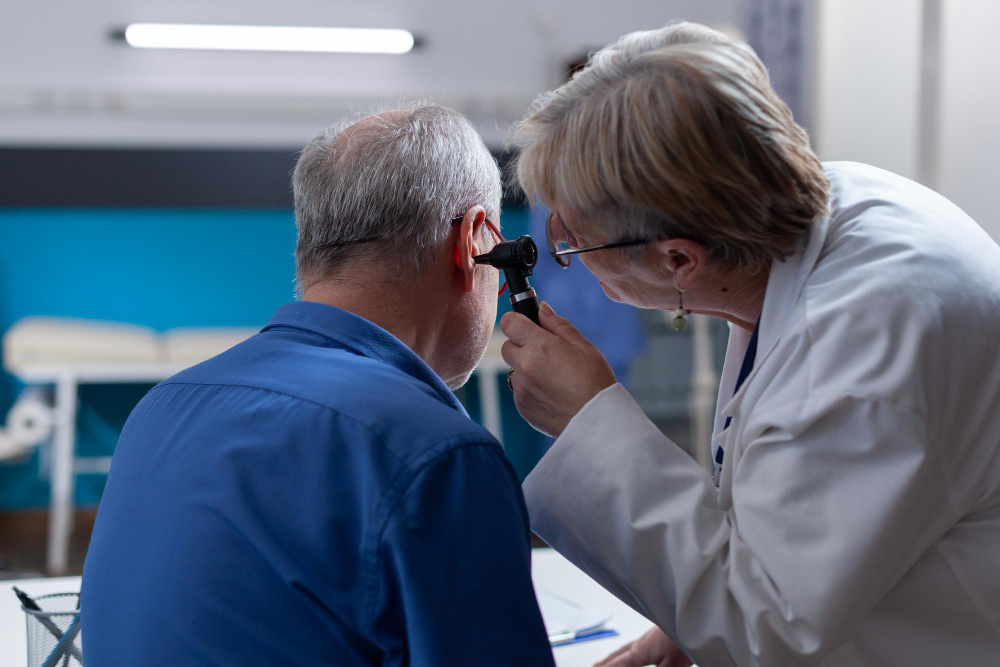
What Is Tympanoplasty?
Tympanoplasty is a type of ear surgery. It repairs a hole or tear in the eardrum. Doctors also call it eardrum repair surgery. The main goal is to restore hearing and prevent infections. Often, an ear, nose, and throat (ENT) specialist performs this surgery. Tympanoplasty can help people who have hearing loss due to eardrum damage. It is a safe and common procedure.
Symptoms and Causes of Eardrum Damage
Sometimes, the eardrum can get damaged or develop a hole. This can cause several symptoms. For example, you may notice:
There are many causes of eardrum damage. For instance, it can happen due to:
According to the World Health Organization (WHO), ear infections are a leading cause of eardrum problems in children and adults.
How Tympanoplasty Works: Procedure Overview
During tympanoplasty, the doctor repairs the eardrum using a small patch. Usually, this patch is made from tissue taken from behind your ear. The surgery is done under anesthesia, so you will not feel pain. In most cases, the doctor makes a small cut behind the ear or in the ear canal. Then, the damaged part of the eardrum is fixed with the patch. The whole procedure usually takes one to two hours. Most people go home the same day.
Who Needs Tympanoplasty?
Not everyone with a damaged eardrum needs surgery. However, tympanoplasty is often recommended if:
Children and adults can both benefit from this surgery. An ENT specialist will decide if tympanoplasty is right for you.
Benefits and Risks of Tympanoplasty
Tympanoplasty offers many benefits. For example, it can:
Like any surgery, there are some risks. These may include:
However, most people recover well and have better hearing after the procedure. The Centers for Disease Control and Prevention (CDC) notes that ear surgeries like tympanoplasty are generally safe when done by trained specialists.
Recovery and Aftercare Tips
After tympanoplasty, you will need to take care of your ear. Here are some tips to help you heal:
Most people return to normal activities in about one to two weeks. However, full healing may take a few months. Always follow your doctor’s advice for the best results.
Prevention: Protecting Your Eardrum and Hearing
There are simple ways to protect your eardrum and hearing. For instance:
By taking these steps, you can lower your risk of eardrum damage and hearing loss.
If you have questions about tympanoplasty or hearing restoration, consult an ENT specialist for personalized advice.