
What is Otitis Media?
Otitis media is a common ear infection that affects the middle part of the ear. This condition often causes pain and discomfort, especially in children. However, adults can get it too. The middle ear is the space behind the eardrum. When germs or viruses enter this area, they can cause swelling and fluid buildup. As a result, hearing may become muffled. Otitis media can be mild or severe. Sometimes, it goes away on its own. Other times, it needs treatment. According to the CDC, otitis media is one of the most frequent reasons for doctor visits in children.
Common Causes of Otitis Media
Many factors can lead to otitis media. Often, it starts after a cold or throat infection. Germs travel from the nose or throat to the ear. Because children’s ear tubes are shorter, they are more likely to get ear infections. In addition, allergies or sinus infections can also cause problems. Here are some common causes:
For these reasons, children in daycare or those exposed to smoke have a higher risk.
Recognizing Symptoms of Otitis Media
Otitis media can cause several symptoms. Early detection helps prevent complications. While some signs are easy to spot, others may be subtle. Watch for these symptoms:
In babies, crying more than usual or trouble feeding can be signs. If symptoms last more than a day, seek medical advice.
How Otitis Media is Diagnosed
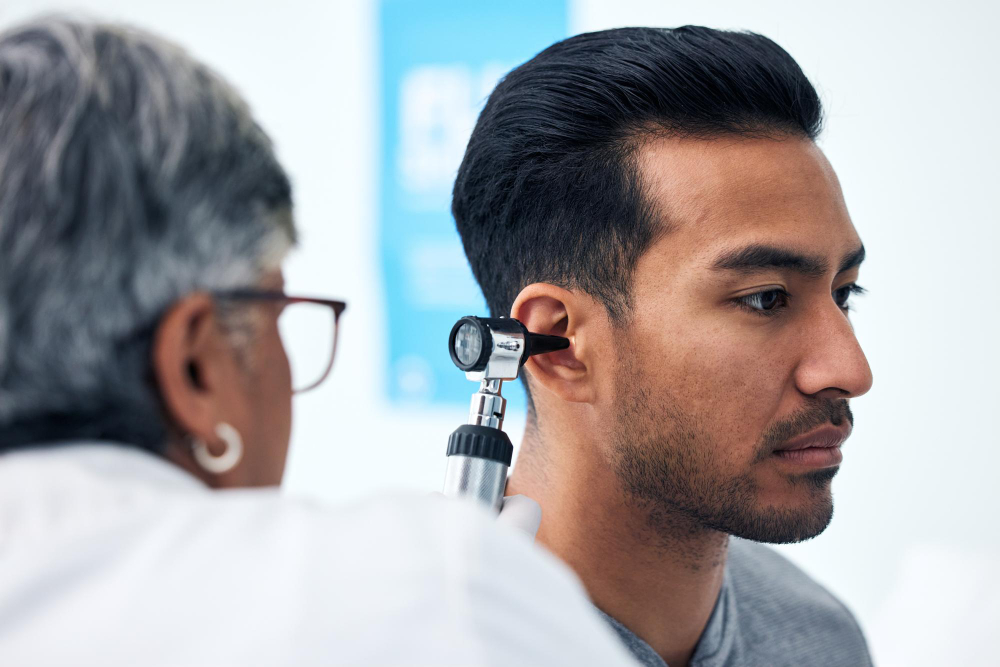
Doctors use several methods to diagnose otitis media. First, they ask about symptoms and medical history. Next, they examine the ear with a special tool called an otoscope. This device helps the doctor see if the eardrum is red, swollen, or has fluid behind it. Sometimes, hearing tests are needed. In rare cases, doctors may take a sample of ear fluid for testing. According to the WHO, early diagnosis helps prevent hearing problems and other issues.
Treatment Options for Otitis Media
Treatment depends on the cause and severity. For mild cases, doctors may suggest waiting to see if symptoms improve. This is called “watchful waiting.” However, if symptoms are severe or last more than two days, treatment may include:
For children with frequent ear infections, doctors may suggest ear tubes. These tiny tubes help drain fluid and prevent future infections. Always follow your doctor’s advice and finish any prescribed medicine.
Prevention Tips for Otitis Media
Although you cannot prevent all ear infections, you can lower the risk. Try these tips to protect yourself and your family:
By following these steps, you can help reduce the chances of otitis media.
When to See a Doctor
Sometimes, otitis media can lead to serious problems. Therefore, it is important to know when to seek help. See a doctor if:
Early treatment can prevent complications like hearing loss or spread of infection. For any concerns, do not wait to get medical advice.
In summary, otitis media is a common ear infection that can affect anyone. With early care and prevention, most people recover quickly. Consult an ENT specialist for personalized advice on otitis media.