
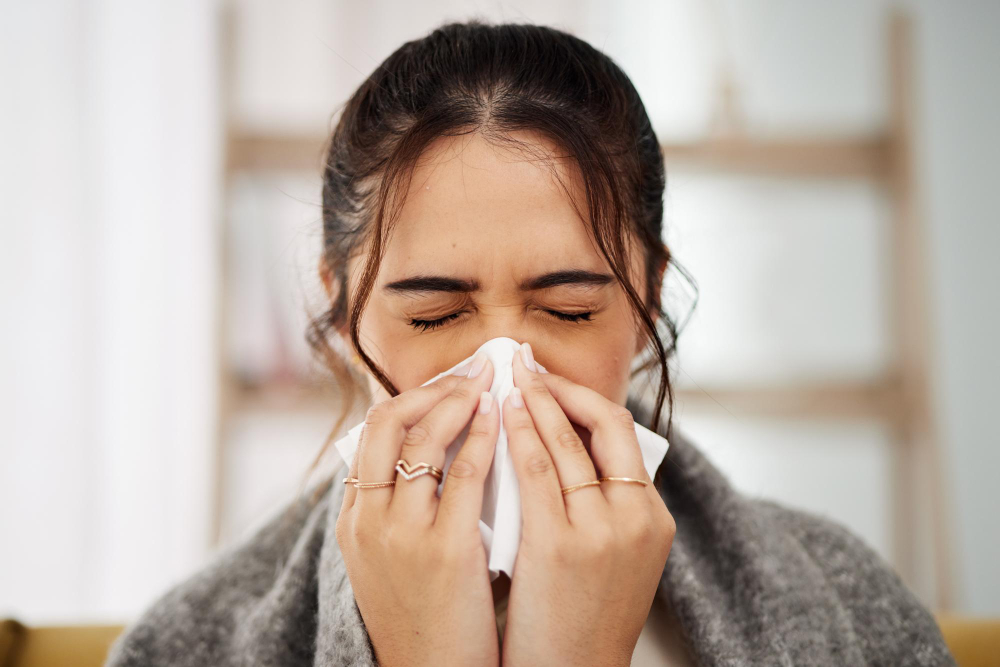
What is Sinusitis?
Sinusitis is a condition where the lining of your sinuses becomes swollen or inflamed. The sinuses are small, air-filled spaces behind your forehead, cheeks, and eyes. When these spaces get blocked, mucus builds up. This can cause pain, pressure, and trouble breathing through your nose. Sinusitis can be short-term (acute) or last a long time (chronic).
Why Sinusitis is More Common in Winter
During winter, sinusitis cases often rise. Cold air, dry indoor heat, and more time spent indoors all play a role. For example, viruses that cause colds spread easily in closed spaces. As a result, your risk of getting a winter sinus infection increases. Dry air can also irritate your nose and sinuses, making them more likely to swell.
Common Symptoms of Sinusitis During Winter
Sinusitis during winter can cause several symptoms. These may feel worse when the weather is cold. Watch for these signs:
However, not everyone will have all these symptoms. If your symptoms last more than 10 days, you may have sinusitis, not just a cold.
Causes and Risk Factors in Cold Weather
Many things can trigger sinusitis in winter. For instance, viral infections like the common cold are a leading cause. But bacteria or, rarely, fungi can also cause sinusitis. Other risk factors include:
Additionally, sudden changes in temperature can irritate your nasal passages. This makes it easier for germs to cause an infection.
Diagnosis: How Sinusitis is Identified
Doctors usually diagnose sinusitis based on your symptoms and a physical exam. They may gently press on your face to check for pain. Sometimes, they look inside your nose with a special light. In rare cases, your doctor may order imaging tests or take a sample of your nasal discharge. However, most cases do not need these extra tests.
Treatment Options
Medical Treatments
Most cases of sinusitis during winter get better on their own. But, if symptoms are severe or last more than 10 days, you may need treatment. Doctors may suggest:
Home Remedies
There are also simple steps you can try at home:
Still, if your symptoms get worse or do not improve, see a doctor. Sometimes, untreated sinusitis can lead to more serious problems.
Prevention Tips for Winter Sinusitis
Preventing sinusitis in cold weather is possible. Try these tips to protect your sinuses:
Moreover, keeping your home clean and dust-free can help reduce allergens that trigger sinus problems.
Lifestyle and Self-Care Guidance
Good habits can make a big difference. For example, eat a healthy diet rich in fruits and vegetables. These foods support your immune system. Also, get enough sleep each night. Regular exercise, even in winter, can help your body fight off infections. If you have allergies, manage them with your doctor’s advice. Finally, avoid sudden changes in temperature, such as moving quickly from a warm room to cold air outside.
Conclusion
Sinusitis during winter is common, but you can take steps to prevent and manage it. If you notice winter sinus infection symptoms that persist or worsen, don’t wait. Consult a specialist at Aastha Hospital for personalized advice on managing sinus symptoms during winter.